
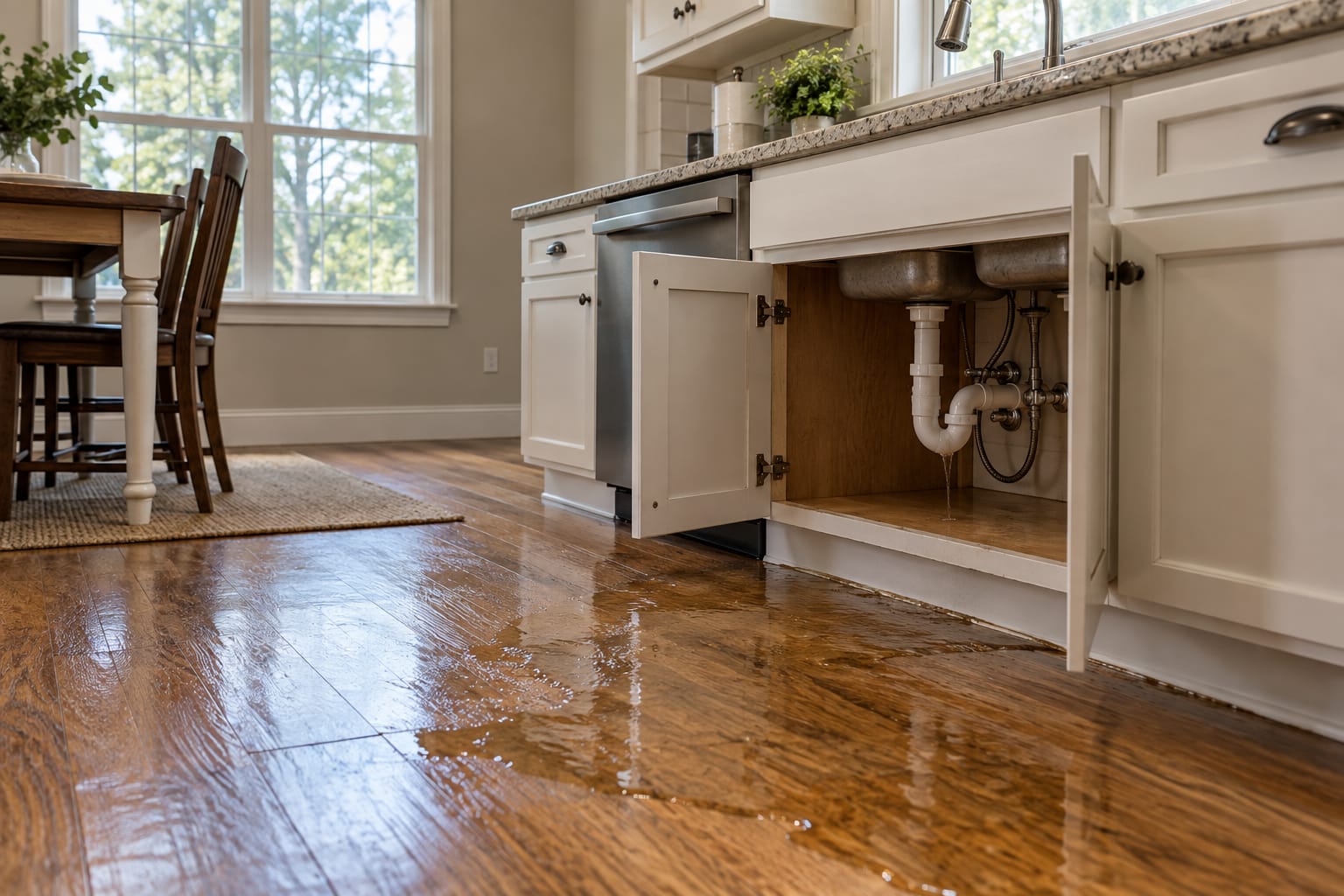
Start with the repair handoff
Tell the assessor who repaired the pipe, when the work ended and whether the source was confirmed stopped. Share the plumber’s description if available. Keep your own observations distinct from a trade’s findings; that makes it easier to identify what still needs assessment.
Compare the same work
Request separate descriptions for removing standing water, checking affected materials, setting equipment, monitoring progress and removing unsalvageable material if proposed. Ask whether equipment charges depend on days on site, and how an extension is approved. Do not compare two totals until you understand those differences.
Ask what completion will look like
The proposal should explain what will be checked before equipment is removed. Ask for records identifying the materials and locations assessed, the findings and any remaining limitations. A dry-looking surface or an estimated number of days is not a substitute for the provider explaining its completion criteria.
Identify the repair boundary
Painting, baseboards, cabinets and replacement flooring may be outside the drying scope. Ask who handles reinstatement and when that work can begin. Keep changes in writing, including newly discovered areas and any additional charges, so the drying and rebuilding handoffs remain clear.
Your next conversation
Describe the affected rooms and access; ask what assessment, written scope and excluded repairs apply.
Read the relevant service guide before arranging an assessment. The independent business confirms availability, scope, fees and price.
Call for Quote(269) 461-9782Sources and related reading
EPA supports the safety and drying principles; practical quote and access questions are editorial decision aids, not an Atlanta price survey or building diagnosis.
FTC guidance on written estimates and contractor selection
Evergreen decision guides · Checklists and official resources · All Blog articles